Most massage styles rely on some kind of oil, lotion or balm to help hands move smoothly over the skin. For most people that is unremarkable. For anyone with massage oil allergies, a known nut allergy or skin that dislikes perfume, the choice of product deserves a conversation before the appointment rather than a surprise on the table. This guide explains which questions to ask, how to request an ingredient list, what “unscented” can and cannot tell you, and when it is wiser to postpone.
Nothing here is medical advice or a description of the products used at any particular venue. For an outline of our full body service, see our full body massage page, and our FAQ answers many general booking questions. If you have a diagnosed allergy, follow the advice of your GP, allergy clinic or pharmacist.
Quick answer: what should I tell a massage therapist about allergies?
Tell them about any substance you know you react to, how you react, and whether a clinician has advised you to avoid it. Do this when you book, not just when you arrive, so the provider has time to check what they use. Ask which oils or lotions would be used in your session and request the ingredients. If you carry emergency medication for a severe allergy, mention it. The aim is to give the provider enough information to say clearly whether their products are suitable, so that you can make an informed decision.
Common questions about oils
What are massage oils usually made from?
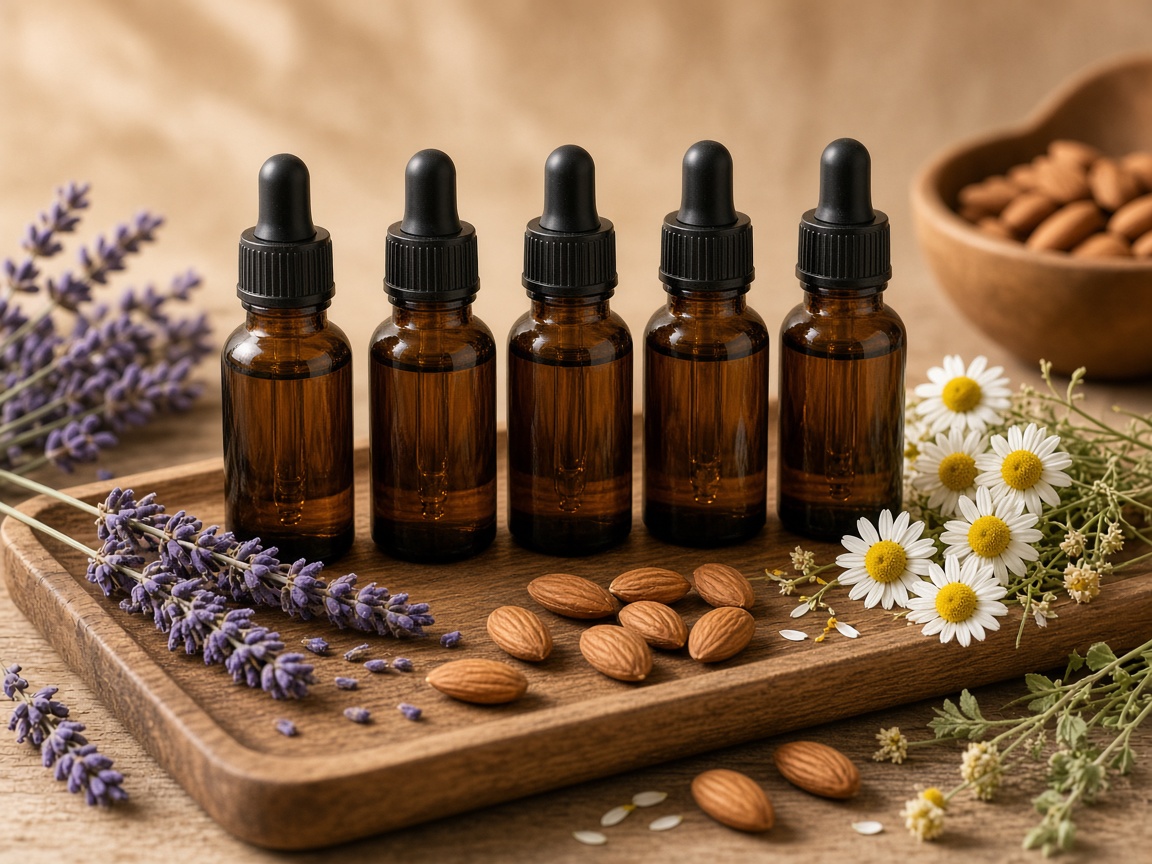
Many massage oils are based on one or more carrier oils, often pressed from seeds, nuts or fruit. Some blends add essential oils for scent, vitamin E as an antioxidant, or other extracts. Lotions and creams contain water as well, which means they usually include preservatives and emulsifiers.
Why do nut oils matter?
Some carrier oils come from nuts, such as sweet almond or macadamia. If you have a nut allergy, applying a nut-derived oil to your skin is something to discuss with your clinician before any massage, and you should make sure the provider knows. Do not assume a refined oil is automatically safe for you.
Are essential oils a concern?
Essential oils give many massage blends their scent. Some people find that certain scented products irritate their skin. The NHS page on causes of contact dermatitis mentions perfumes and preservatives among the things in cosmetic products that can trigger allergic skin reactions. That is a useful reason to ask what is in a blend rather than choosing by scent name alone.
Can a product change between visits?
Yes. Providers may change suppliers, try new blends or use different products for different services. If you have returned to a venue before and had no problem, it is still worth asking whether anything has changed.
Asking for an ingredient list
How to ask
A short, specific message works best:
- “I have an allergy to tree nuts. Could you tell me which oil you would use for a full body session and share its ingredients?”
- “My skin reacts to some perfumed products. Is there an ingredient list for the oil or lotion you use?”
- “Do you use the same product for every client, or does it depend on the therapist?”
What a good answer looks like
A helpful reply names the product and either lists its ingredients or sends a photo of the label. It may also mention whether alternatives are available. If the reply is vague, such as “it is all natural”, ask again politely for the actual ingredients.
Making sense of the list
Ingredient names on cosmetic labels often use standard botanical or chemical names, which can be confusing. Sweet almond oil, for example, may appear under its Latin name. If you are checking for a specific allergen, ask a pharmacist to help you read the label.
Keeping the information
Save the product name and ingredient list. If you visit again, you can ask whether the product is the same. If you ever have a reaction, a clinician will find the information useful.
Unscented options
What “unscented” usually means
An unscented product is generally one without noticeable added perfume. Labels can vary, and some products described as unscented may still contain ingredients that mask the smell of the base. “Fragrance-free” is often used for products without added fragrance, but wording is not always consistent between brands.
Why it is not a guarantee
Removing fragrance takes away one possible trigger, but other ingredients remain. A plain carrier oil can itself be the issue for someone with a nut allergy, for example. Unscented is a helpful starting point, not a promise.
Asking for an alternative
If the usual product is not suitable, ask whether there is another option. Do not assume a venue has a range of alternatives. Some may be able to use a different oil; others may not.
Bringing your own product
Some clients ask whether they can bring their own oil. Ask the provider. They may have reasons for using only their own stock, such as hygiene or familiarity with the product.
When to postpone and seek advice
Postponing is a sensible choice
If you are unsure whether a product will suit you, it is better to postpone than to find out on the table. A short delay while you check with a clinician costs little.
Situations where postponing makes sense
- The provider cannot tell you what is in the product.
- The ingredient list includes something you know you react to.
- Your skin is currently inflamed, broken or sore.
- You are waiting for allergy test results.
- A clinician has advised against it.
Who to ask
A pharmacist can help you read a label. A GP or allergy clinic can advise about specific allergies. A massage provider is not the right person to make a medical judgement for you, however helpful they are.
Rearranging the booking
If you need to postpone, contact the provider as early as possible and ask how rearrangements work. Terms vary, so check rather than assuming.
Professional standards
Practitioners who belong to professional bodies usually agree to codes covering client welfare. The WFHT professional code of conduct is one example of a code that addresses therapists’ responsibilities around client comfort, hygiene and honest disclosure. It is a useful benchmark for the kind of openness you can reasonably expect when asking about products, though it describes that organisation’s standards and not the policies of any specific venue.
Worked example: a nut allergy enquiry
Tomasz has a tree nut allergy and wants to book a full body massage.
Step one. In his first message, he explains the allergy and asks which oil would be used.
Step two. The reply names a blend based on sweet almond oil. The provider says they also have a sunflower-based oil and offers to share both ingredient lists.
Step three. Tomasz reviews both lists and, because his allergy is significant, checks with his allergy clinic before deciding.
Step four. With his clinician’s view in mind, he books, and asks the provider to note the agreed product on his booking. At the start of the session he mentions it again.
The process takes a couple of days but leaves him confident about what will be used.
Scenario walkthroughs
You only dislike strong scents
You may not have an allergy at all, just a preference. Say so: “I prefer unscented products if possible.” This is a comfort request, not a medical one.
You react only to certain essential oils
Name them if you know them. If you do not, ask for the ingredient list and check for any you have had trouble with.
You are booking for a couple
Each person should share their own needs. One partner’s allergy may affect which products can be used in the same room, so mention it when enquiring.
You notice a reaction during the session
Say so immediately. Ask for the product to be wiped off and for the session to stop if needed. Seek advice from a pharmacist or GP if symptoms continue, and follow emergency advice for any severe reaction.
Massage oil allergies and other products in the room
Oil is the obvious product to ask about, but it is rarely the only one you will come into contact with during a visit.
Laundry
Towels, sheets and robes are usually washed with detergent and sometimes fabric conditioner. If you react to particular laundry products, mention it. A provider may not be able to change how they launder linen, but they can tell you what they use, and you can decide whether to bring your own towel if that is permitted.
Room scents
Some venues use diffusers, candles or room sprays. Even if you do not touch them, strong scents can be uncomfortable for some people. Ask whether the room is scented and whether it could be left unscented for your visit.
Cleaning products
Surfaces and tables are cleaned between clients. If you are sensitive to particular cleaning agents, ask what is used. Again, the provider may not be able to change their routine, but knowing helps you decide.
Shower products
If a shower is available and you plan to use it, consider bringing your own wash products. Ask whether that is fine.
How to word your booking note
A short note added to your booking keeps everything in one place. You might write:
“Allergy: tree nuts. Agreed product: the sunflower-based oil discussed by email on [date]. Please avoid scented room products if possible.”
Ask reception to confirm that the note has been added. A written note makes it easier for anyone working with you on the day to see the agreed arrangement.
Returning clients
If you visit regularly, it is easy to stop asking. Make a habit of a quick check each time: “Is the oil still the same one we agreed?” Products can change without notice, and a two-second question avoids surprises.
When the provider is unsure
Sometimes reception will not know the full ingredients straight away. That is not necessarily a warning sign. Give them time to check the label or ask the supplier, and wait for a clear answer before you book rather than accepting a guess.
A short delay while facts are confirmed is far better than an assurance given without checking the product itself.
A simple allergy checklist
- List any substances you know you react to.
- Mention them when you first enquire.
- Ask for the product name and ingredient list.
- Check the list, with a pharmacist’s help if needed.
- Ask about alternatives if the usual product is unsuitable.
- Seek medical advice where an allergy is significant.
- Remind the practitioner at the start of the session.
- Speak up immediately if anything feels wrong.
Common questions
Should I mention mild sensitivities? Yes. Mild information still helps the provider choose products.
Can I ask for no oil at all? Some styles can be done over clothing or with minimal product. Ask what is possible for the service you want.
Is an organic oil safer? Organic describes how ingredients were produced, not whether they suit your skin.
Will the provider keep my allergy information? Ask how they record and store health-related details if that matters to you.
What if I forget to mention an allergy? Raise it as soon as you remember, ideally before any product is applied.
Clear questions, comfortable sessions
Massage oil allergies and sensitivities are manageable when they are discussed early and specifically. Tell the provider what you react to, ask for the ingredients of the products they use, treat “unscented” as a starting point rather than a promise, and postpone if anything is unclear. Products and policies vary, so check each time you book.
When you enquire, ask which products would be used in your session so you can check them first.