
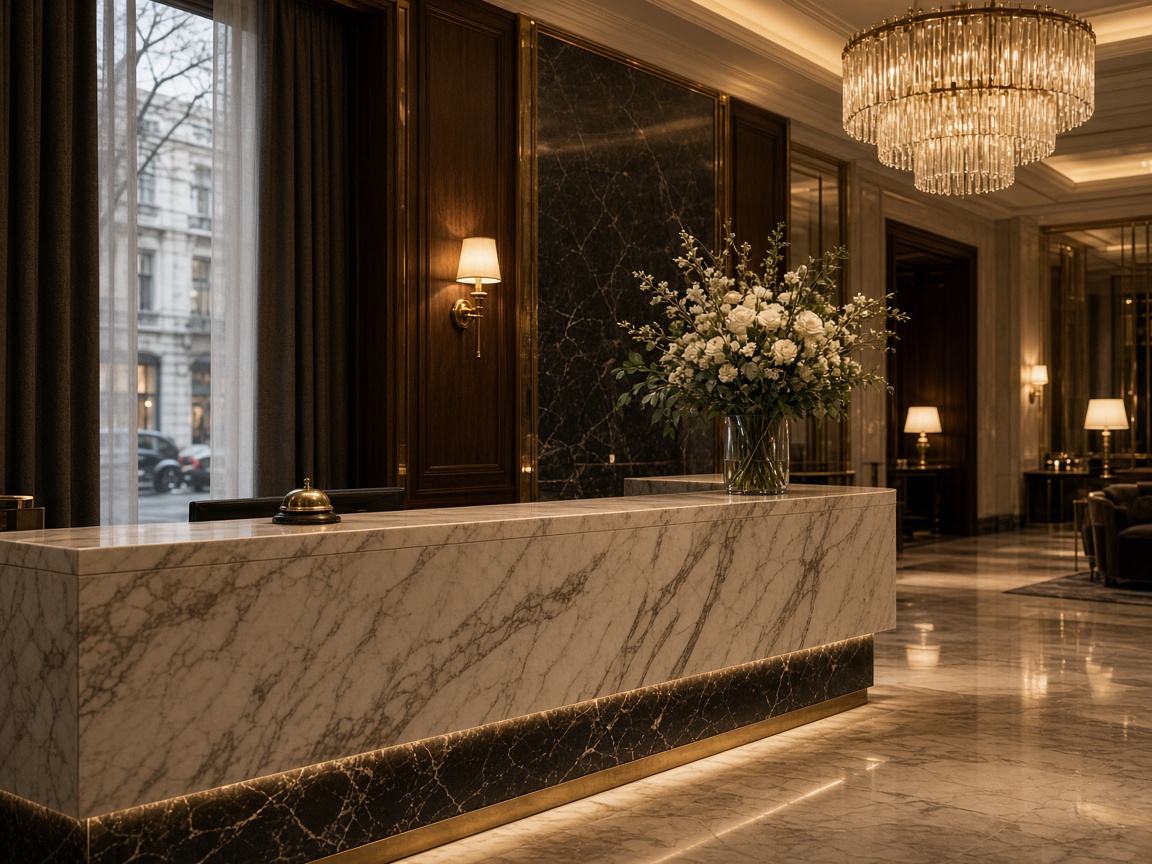
Arranging a massage in your hotel room can be a comfortable option when you are visiting London, but there is a step many people skip: checking what the hotel allows. Hotels set their own rules about visitors to rooms, registration at reception and the use of rooms for services. Securing hotel massage permission London hotels will recognise, before you enquire about an outcall, protects you from an awkward moment in the lobby and helps the appointment run smoothly.
This guide explains how to approach the hotel, what kinds of rules you may encounter and which booking details to reconfirm. It does not promise that any hotel will agree. Our prices page notes that outcall visits are made to hotels, so the hotel’s rules are always the first thing to check. For more about how visits work, see our outcall massage London service page and the wider outcall massage London guide.
Quick answer: can I arrange an in-room massage at my London hotel?
Possibly, but it depends entirely on your hotel. Some hotels allow guests to receive visitors with registration at reception, some restrict visitors or set time limits, and some do not permit external services in rooms without prior approval. Contact the hotel directly before you book, ask about visitors and external practitioners specifically, and get the answer in writing if you can. Only then enquire about outcall availability.
Hotel massage permission in London: why the hotel’s rules come first
A hotel room is private accommodation, but the building, corridors and lifts belong to the hotel. Hotels manage who comes and goes for the safety of all guests and staff. That is why many have clear policies on visitors.
Two real London examples illustrate how much these policies can vary. Blue Orchid’s hotel frequently asked questions include a specific question about whether guests can take visitors to their rooms, which shows that visitor access is treated as a policy matter rather than a given. Zedwell’s terms and conditions set out rules on guest conduct and visitors, including registration at reception and limits on using rooms for commercial activity without the hotel’s prior written approval.
These are examples only. You should never assume that your hotel follows the same rules as either of them, in either direction. The only reliable answer comes from your own hotel.
Ask the hotel first
Who to contact
Front desk, guest services or the concierge team can usually answer policy questions. If you booked through a third-party website, contact the hotel directly rather than the booking site, because the hotel sets and applies the rules.
What to ask
Be clear and specific. Questions you might send:
- “Are guests permitted to receive visitors in their rooms? If so, do visitors need to register at reception?”
- “Is there a limit on the number of visitors or the times they may visit?”
- “Do you permit an external massage therapist to provide a session in a guest room? Is prior approval needed?”
- “Is there any identification the visitor would need to show?”
- “Does your hotel offer its own spa or in-room treatments, and does that affect external practitioners?”
Get it in writing
A reply by email is more useful than a quick verbal answer at the desk, especially if staff change shifts. Save it alongside your booking details.
If the hotel says no
Respect the decision. Do not try to arrange a visit anyway. If in-room sessions are not permitted, you might consider a studio visit instead, if that suits your plans.
Guest and visitor rules
When you speak to the hotel, you may hear about several types of rule. Understanding them helps you plan.
Registration
Some hotels ask visitors to sign in at reception or show identification. This is usually a safety measure. Find out what is required so your practitioner is not delayed at the desk.
Visitor hours
Some hotels limit visitor times, for example by setting a time after which visitors must leave. If your appointment is in the evening, check that it fits within any such window.
Occupancy limits
Rooms often have a maximum number of occupants. Visitors may count towards that limit at certain times.
Use of rooms
Some hotel terms restrict using rooms for commercial activity, events or services without approval. An outcall massage may fall within such rules, which is why asking specifically about external practitioners matters.
Your responsibility
Hotel terms often state that the booking guest is responsible for their visitors. Understanding the rules means you can meet that responsibility comfortably.
Concierge and lift access
Even when visitors are allowed, getting from the entrance to your room involves practical details.
Key-card lifts
Many hotels use lifts that only operate with a room key card. A visitor may need to be accompanied, collected from the lobby, or given access by staff. Ask the hotel how visitors normally reach guest floors.
Meeting point
Agree in advance where the practitioner should go on arrival: the main reception, the concierge desk or a particular lobby area. Large hotels may have several entrances, so name the one you mean.
Equipment
If the session involves a portable table or other equipment, ask whether there are any restrictions on bringing items through the lobby or in particular lifts. Some hotels have service lifts or preferred routes.
Contact on arrival
Decide how the practitioner will let you know they have arrived. A message or a call from reception are common options. Make sure your phone is on and nearby.
Booking details to reconfirm
Once you know the hotel’s rules, you can enquire about outcall availability with confidence. When you do, reconfirm these details:
- The hotel name and full address, including which entrance to use.
- The name the room is booked under, if the practitioner needs to give it at reception. Share only what is needed.
- Your room number, or how you will share it on the day if you prefer.
- The appointment date, start time and length.
- The hotel’s visitor requirements, so the practitioner can arrive prepared.
- How the practitioner should contact you on arrival.
- The price basis and payment terms, including anything specific to visits.
- What happens if the hotel refuses entry on the day, so you understand the terms in advance.
Ask reception to confirm these details in writing once agreed.
Preparing your room
A little preparation helps a visit start smoothly:
- clear enough floor space for a portable table, if one will be used;
- adjust the room temperature so it is comfortably warm;
- have a couple of clean towels available;
- put valuables away;
- set your phone to receive the arrival call or message.
Ask the provider whether there is anything else they need from the space.
Worked example: planning a hotel visit
Dan is staying in London for three nights. He would like an in-room massage on his second evening.
Step one. He emails the hotel directly: “Do you permit guests to receive an external massage therapist in their room? Are there any registration requirements or visitor hours?” The hotel replies that visitors must register at reception with identification and leave by a set time, and that external practitioners are permitted with notice to the front desk.
Step two. Dan contacts the massage provider, explains the hotel’s requirements and asks about availability within the permitted hours. He shares the hotel name and entrance, but keeps his room number until the day, as agreed with reception.
Step three. The provider confirms the appointment in writing, including arrival arrangements. Dan lets the front desk know to expect a visitor.
On the day. The practitioner registers at reception, Dan collects them from the lobby because the lifts need a key card, and the session begins on time.
Had the hotel said visitors were not permitted, Dan would have stopped at step one and considered other options.
Different types of London accommodation
The word “hotel” covers a wide range of properties, and the type of place you are staying in affects the questions you should ask.
Large international hotels
Bigger properties often have formal visitor procedures, security staff and key-card lifts. They may also have an in-house spa. Expect clear written policies and ask the front desk or guest services to confirm how they apply to an external practitioner.
Boutique and independent hotels
Smaller hotels may have a more personal approach, but that does not mean rules are relaxed. Reception may be staffed only at certain hours, which can affect how a visitor gets in. Ask about door access in the evening.
Capsule and compact hotels
Some newer hotel formats offer very small rooms. Even if visitors are permitted, there may not be enough floor space for a portable table. Ask about room dimensions as well as visitor rules.
Serviced apartments and aparthotels
These may have different arrangements again, sometimes with self check-in and no staffed reception. Find out how visitors access the building and whether the operator has any rules about services provided in the apartment.
What to share and what to keep private
Arranging a hotel visit involves passing information between you, the hotel and the provider. Share only what each party needs.
- The hotel usually needs to know that you expect a visitor, and may need the visitor’s name at registration.
- The provider needs the hotel name, entrance and arrival arrangements, plus a way to reach you.
- Your room number can often be shared on the day once you are settled, if you prefer.
Avoid posting hotel details or room numbers in public places, and use the provider’s official contact route for any messages about the visit.
Questions to ask yourself before enquiring
Before you contact the provider, check that you can answer these:
- Has the hotel confirmed that visitors and external practitioners are permitted?
- Do I know any registration, identification or time requirements?
- Is there enough space in my room?
- Do I know how a visitor reaches my floor?
- Is my preferred time within any visitor hours?
If any answer is uncertain, go back to the hotel first.
Common mistakes to avoid
- Assuming that because one hotel allowed visitors, another will too.
- Relying on a booking website’s general information instead of asking the hotel.
- Forgetting key-card lifts and leaving a visitor stranded in the lobby.
- Booking an evening appointment that runs beyond visitor hours.
- Sharing more personal detail than the provider or hotel needs.
Keeping the hotel’s answer
Save any written reply from the hotel about visitors, or note the name of the person you spoke to and the time of the call.
Common questions
Do I need to tell the hotel about a massage appointment? If the hotel requires visitors to register, yes. Many guests find it simpler to inform the front desk in advance in any case.
Can the practitioner wait in the lobby if I am not ready? Ask the provider and the hotel. Waiting arrangements vary, and delays may affect the session.
What if my hotel has its own spa? Some hotels with spas prefer guests to use their in-house services. Ask whether external practitioners are permitted.
Can I book first and ask the hotel later? It is far better to check with the hotel first. Booking before you know the rules risks a cancelled visit.
What if hotel staff on the day give a different answer? Show the written confirmation you received. If the hotel still refuses, follow their decision and contact the provider about next steps.
Permission first, then booking
An in-room massage can be a convenient way to unwind during a London stay, but the hotel’s rules always come first. Ask the hotel directly about visitors and external practitioners, understand any registration, time or access requirements, and reconfirm every detail with the provider. Hotels differ widely, so treat each stay as a fresh check.
When you know what your hotel allows, check hotel rules before enquiring about outcall availability and share the details with reception.